Pub Scholars

Symposium vs Conference vs Seminar: What’s the Difference and Which One Should You Attend?

Symposium vs. Conference: Understanding the major difference

When planning or attending an educational or professional program, terms such as conferences, symposium, and seminars are often used interchangeably. However, each format serve a unique purpose. Understanding the distinctions can help the attendees, speakers and organizers take informed decisions. The guide explores the symposium vs conference , debate while also touching on the difference between seminar and conference, which helps readers to identify the correct format for their goals. 

What is a Symposium?

A Symposium is usually typically a focused academic meeting where experts discuss the same topic deeply. The word has ancient Greek origin, where it refers to a meeting for discussion after meals. In modern times, it refers to formal sessions where research conclusions or ideas are presented, usually followed by a discussion. 

In most cases, a Symposium will have a limited number of speakers. These experts offer their approach or recent conclusions on a specific subject. This phenomenon is often more intimate and discussed than other formats. Attendees are usually expected to have some background in the subject to participate meaningfully in discussions.

Symposiums are often used to present new conclusions in educational circles, scientific research communities and special industries and receive response from fellow experts. A printed or digital publication of discussions can also follow this phenomenon, allowing it to give educational weight.

What is a conference?

On the other hand, a conference is a major gathering involving various sessions, speakers and often multiple topics or themes. Conferences bring professionals or academics from a particular industry or discipline to share knowledge, current research and network. Sessions in a conference are generally more diverse. The attendees can choose from panels, workshops, main speeches and breakout discussions. Conferences can spread from one to several days and attract hundreds or thousands of participants. The main goal of a conference is to create a platform where participants can learn, cooperate, share insight, and place current trends in their area. Conferences often include networking breaks, sponsor booths and formal dinners to increase participants  engagement. Attending useful conference also provide step by step guide to write high quality conference paper.

Symposium vs Conference: The Main Differences

Feature

Symposium

Conference

Scope

Narrow and topic-specific

Broad, with multiple themes

Size

Smaller group of experts

Larger and open to a wider audience

Format

Fewer speakers, deeper discussions

Multiple sessions and speakers

Duration

Often half-day to one day

Usually lasts one to several days

Networking

Limited, focused interactions

Extensive networking opportunities

Outputs

Academic discussion or publications

Broader outcomes including collaborations

A symposium is often seen as a deep dive into a particular subject, while a conference offers a wider lens over a broader field. Both are useful, but they serve different purposes and audiences.

Objective and goal

When deciding between attending or participating in a symposium or conference, it is important to understand the purpose of the event. The purpose of a symposium is to share special knowledge and encourage detailed discussion between a select group. The purpose of the conferences is to bring a large community together to learn, share and cooperate.  

Symposium Goals:

• Present specialized or new research  

• Engage in expert-level dialogue

• Publish proceedings or white paper 

• Encourage collaboration within niche subjects 

Conference Goals:

• Provide a platform for multiple speakers 

• Include professional development opportunities 

• Enable networking and collaboration in fields 

• Allow businesses and institutions to demonstrate products and research 

What is a seminar?

A seminar is usually a small, interactive session focused on teaching or training. These sessions are usually held in classrooms, corporate training centers or virtual platforms. The seminar often consists of a single speaker or feature who guide the group through learning materials.

Seminars are used extensively in education and corporate training. Attendees are typically expected to engage in discussions, take notes, and sometimes complete assignments or assessments.

Difference between seminar and conference

In addition to symposiums and conferences, seminars are another common type of academic or professional gathering. Understanding the difference between the seminar and the conference can also help in choosing the right format for an event or participation.  

Feature

Seminar

Conference

Size

Small group (10-50)

Medium to large (100+)

Focus

Education/training

Broad exchange of information

Interactivity

Highly interactive

Can be passive or mixed

Speaker Role

Instructor or trainer

Panelists, researchers, and keynote speakers

Attendee Goal

     Learn a skill or topic

          Network, present, learn about industry trends

It can be said that while seminars are meant for learning, conferences serve broader goals such as networking, showcasing innovation, and sparking discussions across multiple areas.

Selection between a Symposium and a Conference

Whether you are a student, a researcher, or a professional, selecting cases of the right event. Let’s take a close look when more suitable than each other.

When to Choose a Symposium

When a Symposium is ideal: 

• A niche subject requires deep exploration 

• A small, focused audience expected 

• Peer -reviewed discussions are planned 

• Speakers have special knowledge 

• Publishing or academic feedback are desired

When to Choose a Conference

A conference is more suitable when: 

• The goal is to reach the wider audience 

• Many subjects and tracks require coverage 

• Key speakers and sponsors are included 

• Networking and exposure preferences are 

• A high number of attendees is expected

Common format within each

There may be additional formats within both conferences and symposiums. 

In conferences:

• Main speech 

• Paper presentations 

• Panel discussion 

• Workshops 

• Poster session

In Symposiums:

• Thematic presentations 

• Round-table discussion 

• Specialist Question Session 

• Focused panel review

 Even within a symposium, the format may vary depending on the goals of the host institute or organizing committee’s goals.

Similarities Between Symposiums and Conferences

Despite their differences, there are some benefits of presenting at a conferences and Symposiums where they share some common features: 

• Both are academic or professional programs 

• Speaker presents ideas, research or innovation 

• People present attain knowledge and insights 

• Networking may occur, even if limited in symposiums

• Certificate or proceedings may be offered 

They are both considered platforms that contribute to the exchange of knowledge, although in various parameters and intensity. 

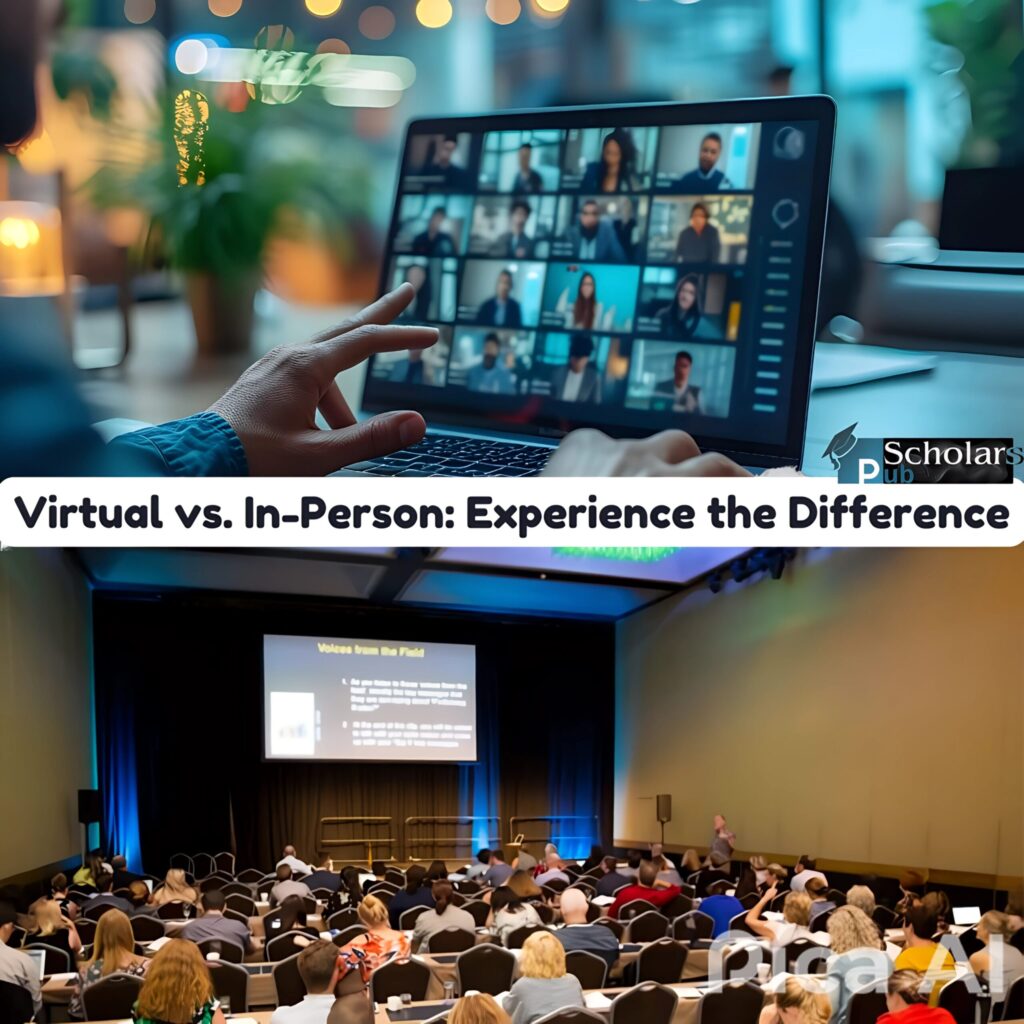
In recent years, especially post-pandemic, hybrid and virtual formats have become common. Whether it is a symposium or a conference, events now provide online appearance, reduce geographical obstacles. 

Virtual Symposiums:

• Useful for small, global expert panels 

• Cost effective 

• Easy to organize 

Hybrid Conference:

• Combine in-Person Energy with online access 

• Increase in participation rate 

• Allow recording and future viewing 

This change has blurred the lines even more, but the main differences are based on the scale and depth. 

How to prepare for symposium or conference?

Preparation for a symposium or conference includes various approaches.

Attending a Symposium:

• Read up on specific subject 

• Be prepared for interactive, high-level discussions 

• Prepare questions or insight when invited 

• If presenting, bring your research or recent findings

Attending a conference:

• Review the agenda and choose the relevant session 

• Bring business cards or linked information 

• Stay open for networking and find several tracks 

• Consider submitting a paper or poster 

 Similarly, speakers should prepare differently depending on the type of audience, length of the session and discussion format.

Why the confusion exist between Seminar and Conference?

Many use these words interchangeably, causing confusion. A university might label an event a “conference” when it technically follows a symposium format. Or a “seminar” may resemble small conference in some contexts.  

It is necessary to clarify the objective, scale and intended audience before committing to attending or organizing an event.

Examples of real world

To further illustrate the symposium vs conference debate, consider the following: 

• A medical symposium focusing on rare neurological disorders may invite 20 top researchers to present their latest findings.  

• A healthcare conference like: Neuropharmacology conference may have 50+ sessions on various medical subjects, from hospital technology to patient safety which help for Drug Development for Neurological Disorders

• A seminar on stress management can be held for a small group of nurses that include hands-on workshop. 

As seen, each serves a unique audience and objective.

Summary Table: Symposium vs Conference vs Seminar


Type

Scope

Size

Interactivity

Duration

Goal

Symposium

Narrow topic

Small

Moderate

1 day

Deep discussion

Conference

Broad topics

Large

Mixed

1–3 days

Networking, sharing

Seminar

Educational

Small

High

1–3 hours

Teaching

Conclusion

The selection between a symposium, conference, or seminar depends on your role, goals and subject interest. A symposium allows focused, expert-level discussions, while a conference offers widespread risk and networking opportunities. Understanding the difference between the seminar and the conference also ensures that the right platform is chosen to learn or share knowledge.

Participating in the right type of event not only enhances professional growth, but also ensures that your time and effort are well spent. Whether you are presenting, doing networking, or simply learning, the format plays an important role in shaping your experience. 

FAQ

1. What is the difference between a symposium and a conference?

A symposium is a small, theme-specific event that focuses on deep discussions among experts, while a conference is a major event that includes comprehensive themes with many sessions, speakers and networking opportunities.

2. Is a symposium more educational than a conference?

Yes, symposiums are usually more academic in nature. They often include detailed presentations by subject matter experts and are aimed at scholarly discussions on a single topic.  

3. Can a conference include symposiums or seminars?

Yes, larger conferences often include smaller formats like symposiums, seminars, or workshops within their program. These allow attendees to detect specific subjects in more detail. 

4. What is the difference between seminar and conference?

A symposium is a small, theme-specific event that focuses on deep discussions among experts, while a conference is a major event that includes comprehensive themes with many sessions, speakers and networking opportunities.

5. Which event is better for networking: : symposium or conference?

Conferences for networking are better because they attract a large and more diverse audiences, giving more opportunities to meet peers, experts and organizations in different fields. 

6. Who should participate in a symposium?

Symposiums are best suited for researchers, academics, or professionals who are looking to dive deep into a specific topic and engage in expert-level discussions with a focused group.  

7. Are symposiums and conferences both useful for career growth?

Yes, both format supports the career growth. Symposiums help create educational reliability, while conferences provide extensive risk, learning and professional networking opportunities. 

Scroll to Top