

Cognitive Neuroscience and Psychology Conference
Home/ Scientific Sessions / Cognitive Neuroscience and Psychology Conference
Cognitive Neuroscience and Psychology
Cognitive neurology is this study of how the brain helps us to think, learn, remember and make decisions. It sees how different parts of the brain work when we pay attention, such as focusing, or solving problems. This area helps us understand how brain activity is associated with mental functions and behavior.
Some of the subjects studied in cognitive neurology include:
- Attention and focus
- Forgetting or missing change (change blindness)
- Being aware (consciousness)
- Option Learn new things
- Making choices (decision-making)
- Learning new things
- Memory
- Understanding and using language
- Mirror neurons (how we learn by watching others)
- Senses and perception
- Emotions and how we relate to others (social thinking)
Psychology is a study of how people think, feel, and behave. It sees how the mind works and why people do this. Psychology has many branches and is used in areas such as health, education, crime, sports and personal development.
Different types of psychology are included:
Clinical Psychology – Helps people with mental health problems
Cognitive Psychology – Study thinking and memory
Counselling Psychology – Supports people in solving personal issues
Developmental Psychology – How people grow and change over time
Educational Psychology – Focuses on learning and teaching
Experimental psychology – tests how the mind works through experiments
Forensic Psychology – Connects Psychology with law and crime
Health Psychology – Studies how the mind affects physical health
Related Sessions
1.Alzheimers and Parkinsons Diseases
2.Neuroimmunology and Neurological Infections
3 – Cognitive Neuroscience and Psychology
4 – Neuroinformatics and Computational Neuroscience
5 – Neurological Disorders
6 – Neurobiology
7 – Molecular Neuroscience
8 – Pediatric Neurology
9 – Clinical Neurology
10 – Translational Neurology
11 – Neurogenetics
12 – Neurodegenerative Diseases
13 – Neuropsychiatry
14 – Neuroscience Research
15 – Neuropharmacology and Novel Drug Development
16 – Neurological Interventions and Surgery
17 – Artificial Intelligence in Neurology and Neurosurgery
18 – Neuro-ophthalmology and Auditory Neurology
19 – Aging and Neurology
20 – Brain Tumors and Neuro-Oncology
21 – Stroke Diagnosis and Management
22 – Epilepsy and Seizure Disorders
23 – Psychiatric and Behavioral Disorders
24 – Neurovascular Disorders
25 – Neurology and Systemic Disorders
26 – Neurodevelopmental Disorders
27 – Cognitive and Memory Disorders
28 – Neuroinflammation and Brain Disorders
29 – Neurological Rehabilitation
31 – Trauma and Neurocritical Care
33 – Cellular and Systems Neuroscience
35 – Advances in Neuroimaging Techniques
37 – Rare and Complex Brain Disorders
30 – Global Challenges and Public Health
32 – Neurotoxicology
34 – Behavioral Neuroscience and Social Neuroscience
36 – Addiction and Mental Health
Scientific Program
Keynote Speaker – Dr. Zhenhuan LIU (Oral Presentation – In-Person)
Nanhai Maternity and Children Hospital Affiliated to Guangzhou University of Chinese Medicine, China
Keynote Speaker – Dr. Magda Tsolaki – Oral Presentation (Virtual)
Emeritus Professor of Neurology, Aristotle Univesrsity of Thessaloniki, Makedonia, Greece, Chair of the Greek Federation of Alzheimer’s Disease
Keynote Speaker – Dr. Tatsuro Mutoh, MD, PhD, FAAN – Oral Presentation (In-Person)
Department of Neurology, Fujita Health University Hospital, Toyoake, Aichi, Japan
Committee Members
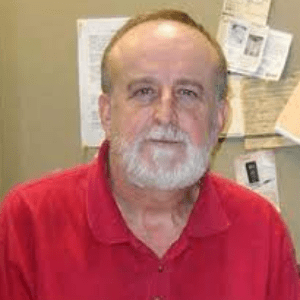
Kenneth B Storey
Carleton University, Canada
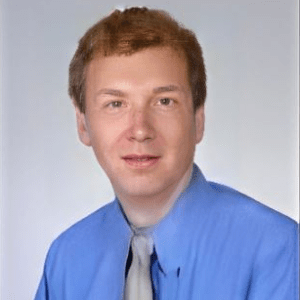
Kindy Mark
University of South Florida, United
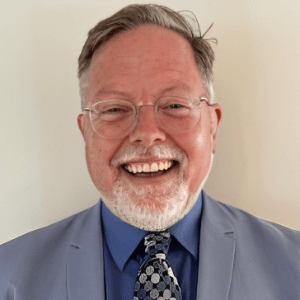
Thomas J Webster
Interstellar Therapeutics, United States


Tags