

Ischemic Stroke Conference
Home/ Scientific Sessions / Ischemic Stroke Conference
Ischemic Stroke
A ischemic stroke occurs when a blood vessel that supplies blood to the brain is blocked. This blockage is usually caused by the formation of blood clots or fatty deposits. When the blood cannot reach the part of the brain, that area does not get enough oxygen, and the brain cells start dying within minutes.
This is the most common type of stroke, which is about 85% of all strokes. This can occur suddenly and requires attention to quick therapy. The main signs include sudden weakness or numbness (especially on one side of the body), difficulty speaking or understanding, vision problems, dizziness, or sudden severe headache.
Ischemic stroke is a medical emergency. The faster a person is treated, the better recovery is achieved. Doctors often give a special drug to do a procedure to dissolve or remove it. To reduce the risk of stroke, it is important to manage high blood pressure, diabetes and cholesterol and avoid smoking and unhealthy eating habits.
Related Sessions
1.Alzheimers and Parkinsons Diseases
2.Neuroimmunology and Neurological Infections
3 – Cognitive Neuroscience and Psychology
4 – Neuroinformatics and Computational Neuroscience
5 – Neurological Disorders
6 – Neurobiology
7 – Molecular Neuroscience
8 – Pediatric Neurology
9 – Clinical Neurology
10 – Translational Neurology
11 – Neurogenetics
12 – Neurodegenerative Diseases
13 – Neuropsychiatry
14 – Neuroscience Research
15 – Neuropharmacology and Novel Drug Development
16 – Neurological Interventions and Surgery
17 – Artificial Intelligence in Neurology and Neurosurgery
18 – Neuro-ophthalmology and Auditory Neurology
19 – Aging and Neurology
20 – Brain Tumors and Neuro-Oncology
21 – Stroke Diagnosis and Management
22 – Epilepsy and Seizure Disorders
23 – Psychiatric and Behavioral Disorders
24 – Neurovascular Disorders
25 – Neurology and Systemic Disorders
26 – Neurodevelopmental Disorders
27 – Cognitive and Memory Disorders
28 – Neuroinflammation and Brain Disorders
29 – Neurological Rehabilitation
31 – Trauma and Neurocritical Care
33 – Cellular and Systems Neuroscience
35 – Advances in Neuroimaging Techniques
37 – Rare and Complex Brain Disorders
30 – Global Challenges and Public Health
32 – Neurotoxicology
34 – Behavioral Neuroscience and Social Neuroscience
36 – Addiction and Mental Health
Committee Members
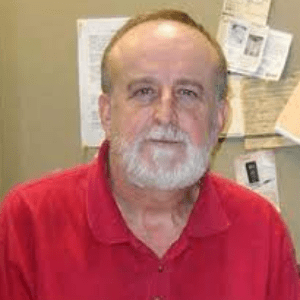
Kenneth B Storey
Carleton University, Canada
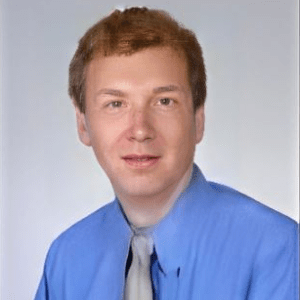
Kindy Mark
University of South Florida, United
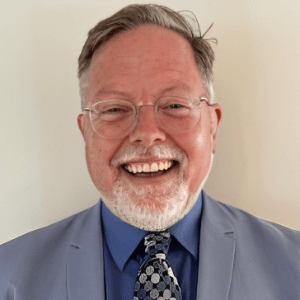
Thomas J Webster
Interstellar Therapeutics, United States
Tags