

Theoretical Neuroscience
Home/ Scientific Sessions / Theoretical Neuroscience Conference
Theoretical Neuroscience
Theoretical Neuroscience combines mathematics and computer models to detect how the brain works. It uses ideas such as network modeling, graph theory and logic to simulate nerve circuits and behavior. This field attracts computer science, mathematics, statistics and psychology. Researchers have created models of how neurons produce high-level functions such as memory formation and language understanding. These devices help scientists to study how the information is processed, how memories are encoded, and how to behave. Theoretical neurology is also used to understand brain disorders such as Alzheimer’s and schizophrenia. It even guides the design of robots and autonomous systems that can learn, adapt and decide based on brain functioning. Knowing how the network of neurons enables ideas and action, the purpose of this region is to manufacture smarter machines and deepen our understanding of brain function.
Related Sessions
1.Alzheimers and Parkinsons Diseases
2.Neuroimmunology and Neurological Infections
3 – Cognitive Neuroscience and Psychology
4 – Neuroinformatics and Computational Neuroscience
5 – Neurological Disorders
6 – Neurobiology
7 – Molecular Neuroscience
8 – Pediatric Neurology
9 – Clinical Neurology
10 – Translational Neurology
11 – Neurogenetics
12 – Neurodegenerative Diseases
13 – Neuropsychiatry
14 – Neuroscience Research
15 – Neuropharmacology and Novel Drug Development
16 – Neurological Interventions and Surgery
17 – Artificial Intelligence in Neurology and Neurosurgery
18 – Neuro-ophthalmology and Auditory Neurology
19 – Aging and Neurology
20 – Brain Tumors and Neuro-Oncology
21 – Stroke Diagnosis and Management
22 – Epilepsy and Seizure Disorders
23 – Psychiatric and Behavioral Disorders
24 – Neurovascular Disorders
25 – Neurology and Systemic Disorders
26 – Neurodevelopmental Disorders
27 – Cognitive and Memory Disorders
28 – Neuroinflammation and Brain Disorders
29 – Neurological Rehabilitation
31 – Trauma and Neurocritical Care
33 – Cellular and Systems Neuroscience
35 – Advances in Neuroimaging Techniques
37 – Rare and Complex Brain Disorders
30 – Global Challenges and Public Health
32 – Neurotoxicology
34 – Behavioral Neuroscience and Social Neuroscience
36 – Addiction and Mental Health
Scientific Program
Keynote Speaker - Dr. Zhenhuan LIU (Oral Presentation - In-Person)
Nanhai Maternity and Children Hospital Affiliated to Guangzhou University of Chinese Medicine, China
Keynote Speaker - Dr. Magda Tsolaki - Oral Presentation (Virtual)
Emeritus Professor of Neurology, Aristotle Univesrsity of Thessaloniki, Makedonia, Greece, Chair of the Greek Federation of Alzheimer’s Disease
Keynote Speaker - Dr. Tatsuro Mutoh, MD, PhD, FAAN - Oral Presentation (In-Person)
Department of Neurology, Fujita Health University Hospital, Toyoake, Aichi, Japan
Scientific Program
Keynote Speaker - Dr. Zhenhuan LIU (Oral Presentation - In-Person)
Nanhai Maternity and Children Hospital Affiliated to Guangzhou University of Chinese Medicine, China
Keynote Speaker - Dr. Magda Tsolaki - Oral Presentation (Virtual)
Emeritus Professor of Neurology, Aristotle Univesrsity of Thessaloniki, Makedonia, Greece, Chair of the Greek Federation of Alzheimer’s Disease
Keynote Speaker - Dr. Tatsuro Mutoh, MD, PhD, FAAN - Oral Presentation (In-Person)
Department of Neurology, Fujita Health University Hospital, Toyoake, Aichi, Japan
Committee Members
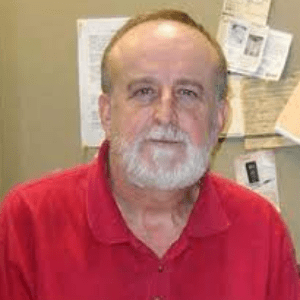
Kenneth B Storey
Carleton University, Canada
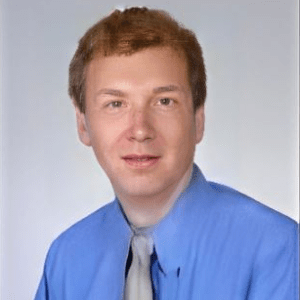
Kindy Mark
University of South Florida, United
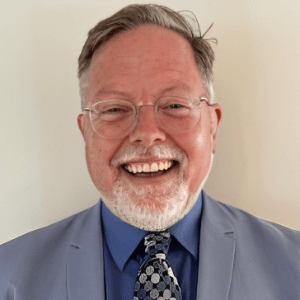
Thomas J Webster
Interstellar Therapeutics, United States

Tags